

Street-Level Retail Space or Shopping Center
29.10.2026Choosing a commercial space is an important step for any entrepreneur looking to start a business or expand existing operations. In addition to location, floor area and rent, one of the key decisions involves selecting the type of premises: a street-level retail space with direct outdoor access or a unit located within a shopping center.
Both options offer advantages and certain limitations, and the right choice depends on the nature of the business, its target customers and its development objectives.
Before exploring the available commercial spaces for rent, it is important to understand the differences between these two options and how they may influence daily business operations.
Street-Level Retail Spaces Offer Visibility and Independence
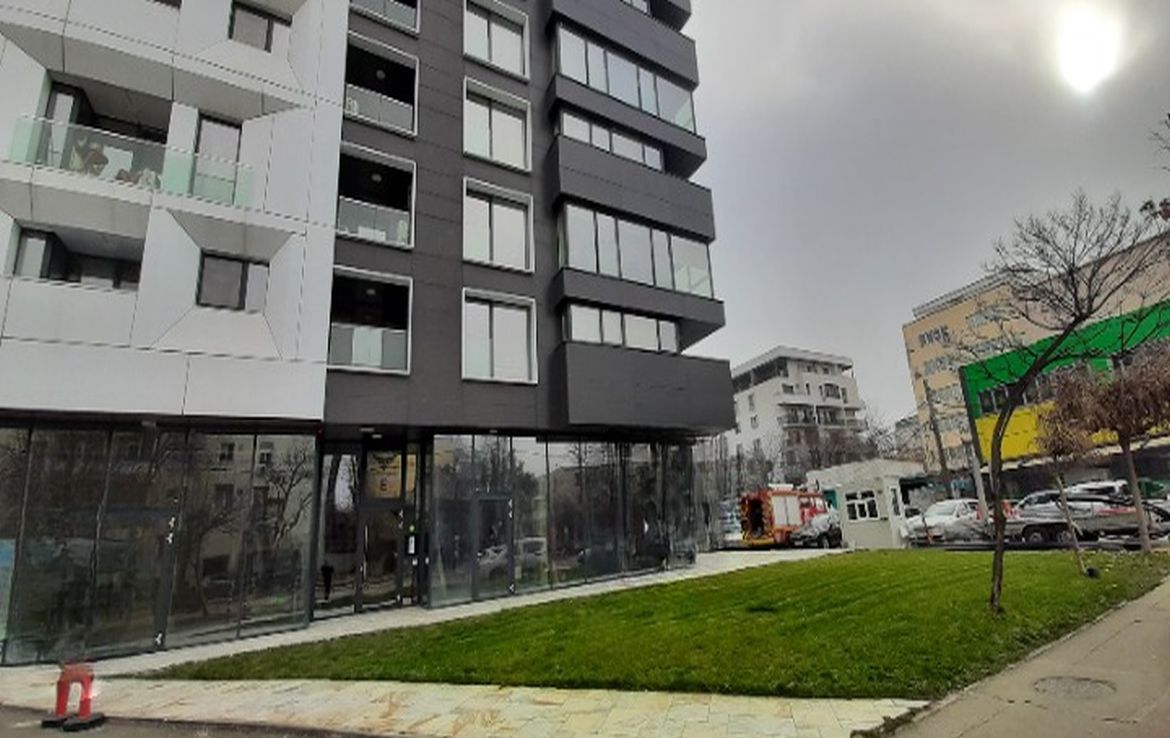
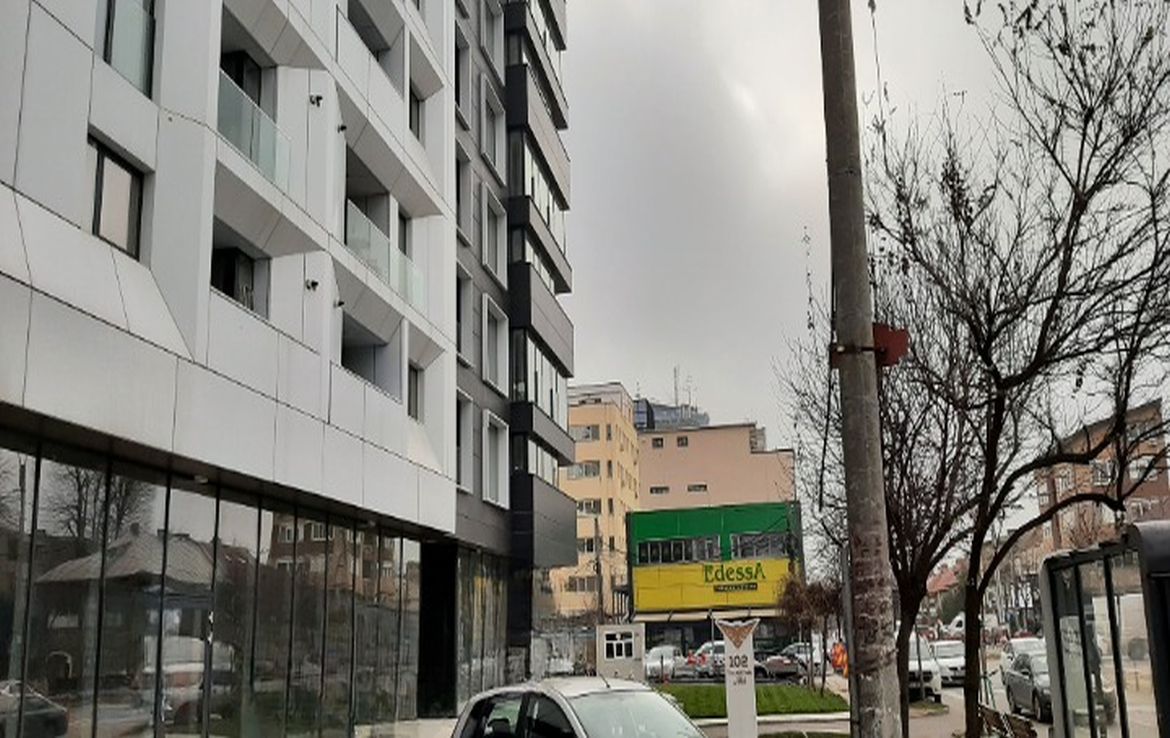
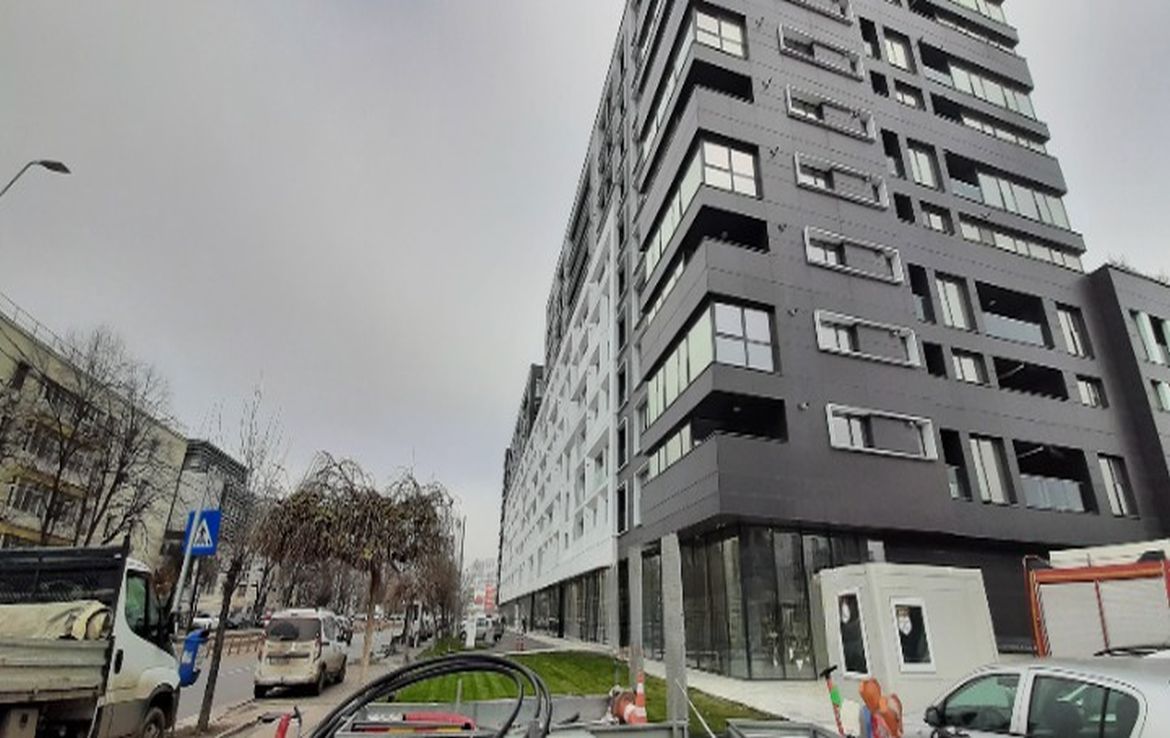
One of the main advantages of street-level retail premises is direct access from outside. Depending on the location, the property may benefit from visibility to pedestrians and passing vehicles, making it easier for potential customers to identify the business.
Street-facing shop windows provide opportunities to showcase products and services, while a well-positioned storefront can help strengthen the business's visual identity.
Another advantage is operational independence. Under certain conditions, entrepreneurs may enjoy greater flexibility in setting opening hours, organizing the premises or designing window displays, subject to contractual terms and applicable regulations.
This type of location can be suitable for convenience stores, pharmacies, medical clinics, showrooms, cafés and service centers seeking to establish a direct relationship with customers in the surrounding area.
Shopping Centers Can Provide Access to a Diverse Customer Base
A shopping center brings together multiple stores, restaurants and services in one location, creating opportunities for the retailers operating within it.
The main advantage is the opportunity to benefit from visitor traffic generated by the entire development. The presence of well-known retailers, supermarkets and entertainment facilities can contribute to the center's overall appeal.
Customers may also appreciate the availability of parking facilities, shared amenities and the convenience of making several purchases during a single visit.
However, high overall footfall within a shopping center does not automatically guarantee sales. The position of a store within the development, its proximity to entrances, anchor tenants and main circulation routes can significantly influence how many visitors actually reach the premises.
Rental Costs Should Be Assessed as a Whole
When comparing the two options, monthly rent should not be the only financial consideration.
For street-level retail premises, costs may include rent, utilities, maintenance, fit-out works, signage and any modifications required to adapt the property to the intended business activity.
In shopping centers, additional expenses may include common area service charges, marketing contributions, maintenance costs and other contractual obligations. Some lease agreements may also include a turnover-based rent component.
It is important to request a complete breakdown of expenses and review the contractual terms before making a decision.
A commercial space with an apparently attractive rent may involve higher overall costs than another property once all operating expenses are taken into account.
Opening Hours Can Influence Business Flexibility
The differences between the two types of premises are also relevant when it comes to organizing business operations.
In a shopping center, retailers are generally required to follow the opening hours established by the management, as well as specific rules regarding deliveries, fit-out works and the use of common areas.
For some businesses, these conditions can be beneficial, as they help maintain an organized and predictable commercial environment.
By contrast, street-level premises may allow greater flexibility in adapting opening hours to customer habits, within the limits of applicable permits and lease conditions.
For example, a café serving employees in an office district may require different opening hours from a store operating within a shopping center.
Customer Profiles Are Essential When Choosing a Location
Not every business benefits equally from the advantages of a shopping center or a street-level location.
Fashion, cosmetics and accessories retailers may benefit from the footfall and complementary retail offerings found in shopping centers. Meanwhile, medical clinics, specialized showrooms and appointment-based services may primarily require accessibility and a location that is easy to find.
For businesses serving residents of a particular neighborhood, a street-level retail unit in a residential area can help build a base of returning customers.
Before making a decision, consider who your customers are, how frequently they visit the premises and which factors influence their purchasing decisions.
Accessibility and Parking Can Make a Difference
Regardless of the property type, convenient access remains an important consideration.
Shopping centers often provide parking facilities and infrastructure designed for visitors, although the distance between parking areas and individual stores may vary.
For street-level retail premises, it is important to assess pedestrian access, proximity to public transport, parking availability and delivery arrangements.
When evaluating several commercial spaces for rent, visit the locations at different times of the day and observe how easily customers can actually reach them.
A property with good visibility but difficult access may be less attractive than one situated in an accessible, well-connected area.
How to Choose the Right Option for Business Growth
The decision between street-level premises and a unit within a shopping center should be based on the business model and long-term objectives.
Assess the total costs, target customer profile, level of competition, accessibility and operating conditions. It is useful to compare several properties and evaluate not only their immediate advantages, but also the opportunities they offer for adapting or expanding business operations.
Choosing a commercial space should not be determined solely by the popularity of an area or the level of rent. The right location is one that supports daily operations, meets customer expectations and provides realistic opportunities for growth.
Both street-level retail spaces and units within shopping centers can be effective options when their characteristics are aligned with the specific needs of the business.
Latest posts
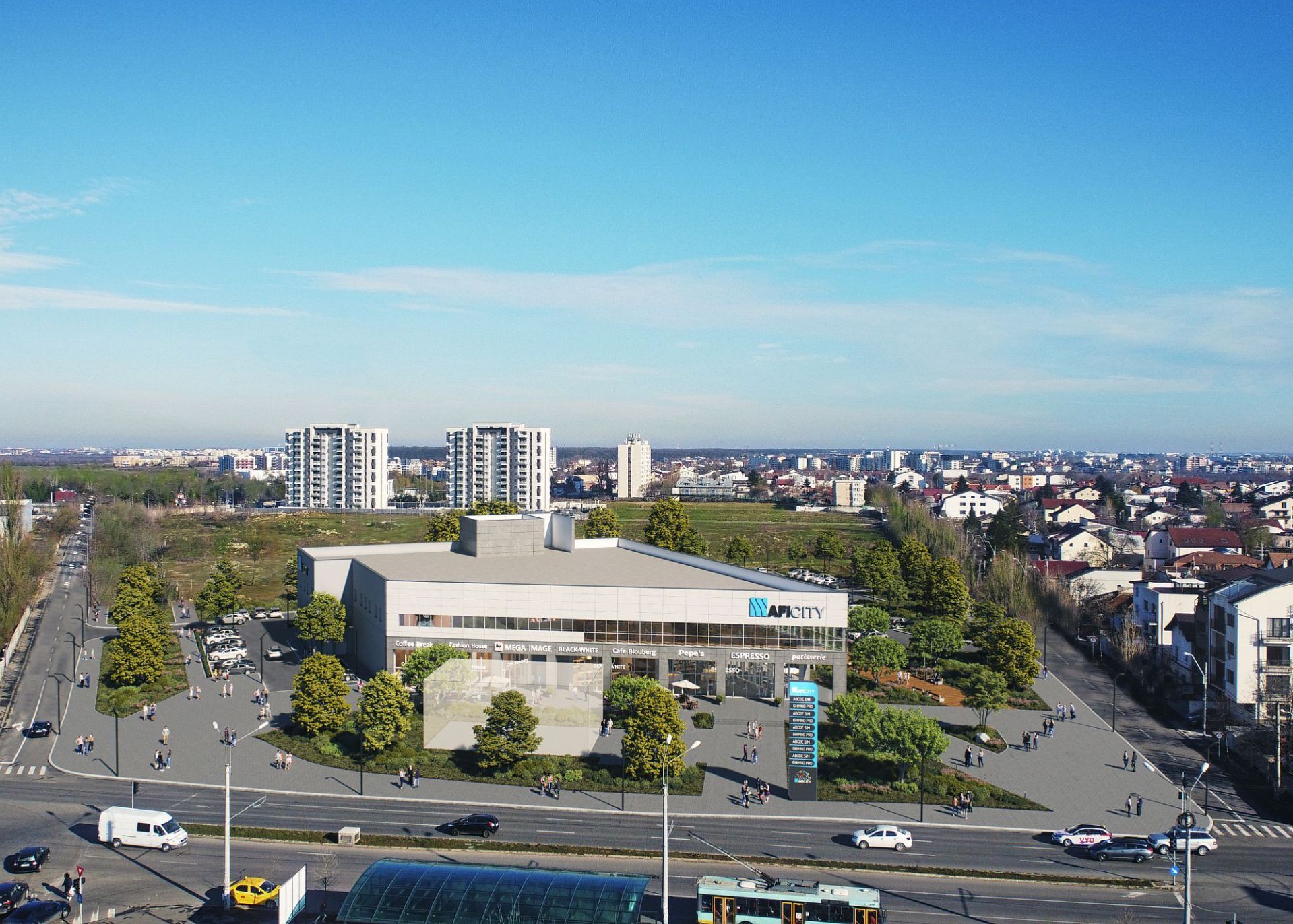
Discover how the surrounding area can influence customer traffic, visibility, and a business's growth potential.
Read more
Discover why parking can influence the customer experience, location accessibility and the overall success of a business.
Read more
Find out how to choose the right space for your business, taking into account your activity, costs, customers and growth plans.
Read more